Installation Floater for contractors
Coverage for materials and supplies while in transit to the jobsite and until they're installed and accepted — closing the gap between the supplier's truck and the structure so a lost, damaged, or stolen material package is covered.
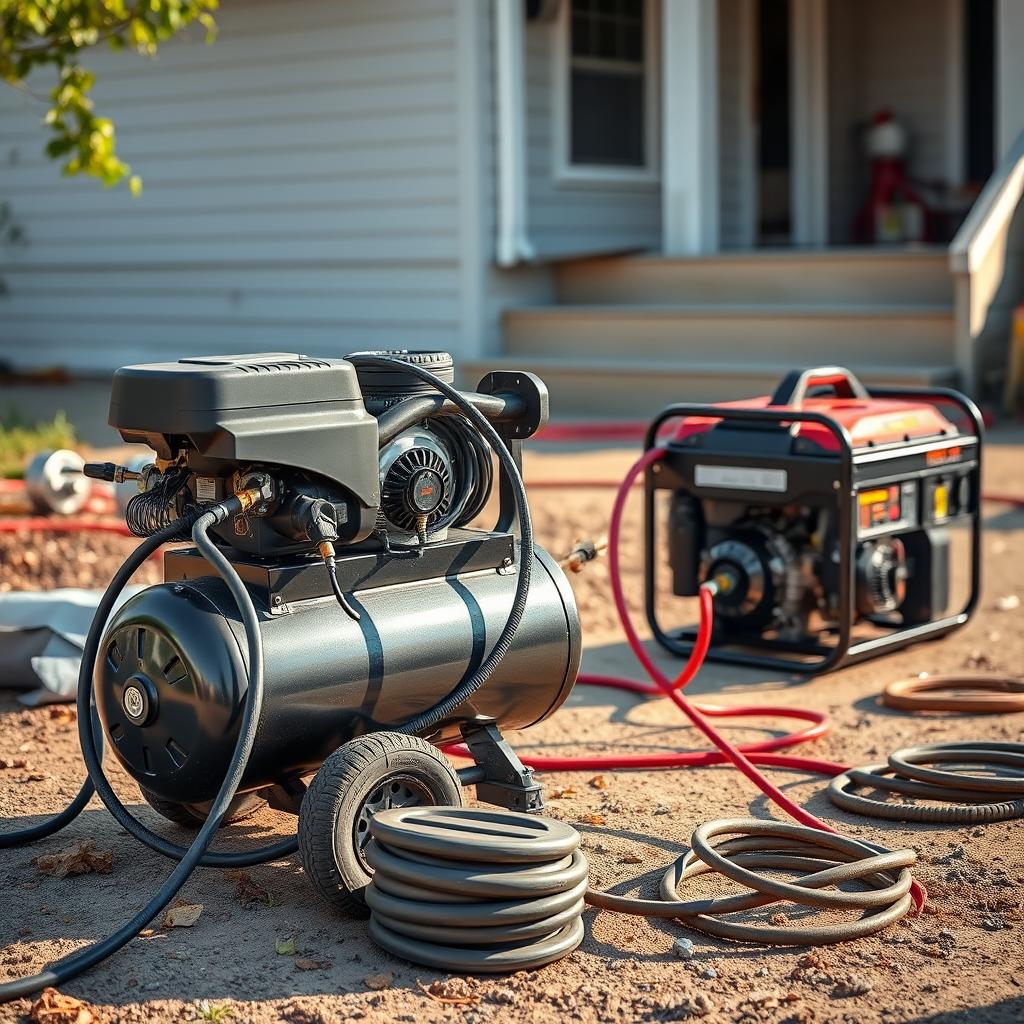
What it covers
- Materials and supplies in transit to the jobsite
- Materials at staging areas and on site before installation
- Installed materials until accepted by the owner
- Theft, fire, damage, and weather loss during transit and install
- Coverage that follows the materials, not a fixed location
- Coordinated with builder's risk to avoid gaps
Who it’s for
- Contractors responsible for materials they install
- Crews hauling material packages between supplier and site
- Operations whose GC's master policy leaves transit gaps
- Contractors working in high-theft or remote staging areas
Why CCA
- Closes the gap between delivered materials and installed work
- Written to follow materials through transit and installation
- Coordinated with builder's risk so no gap goes uncovered
Common questions about installation floater
An installation floater covers materials and supplies while in transit to the jobsite and until they're installed and accepted by the owner. It closes the gap between the supplier's truck and the structure — covering theft, damage, and loss during the most exposed window in a material's journey.
Materials in transit and sitting on a jobsite are vulnerable — theft, fire, weather, and damage can wipe out a material package before it's installed. Builder's risk often only covers materials once on site and installed; an installation floater covers the transit and pre-install window that builder's risk misses.
They overlap but cover different windows. Builder's risk (course of construction) covers the structure during the build. An installation floater covers the contractor's materials in transit to the site and during installation — windows the GC's master builder's risk may not extend to. We coordinate both.
Yes. An installation floater covers materials in transit — including theft from your truck or trailer while hauling materials to the jobsite — and on the site before installation, subject to the policy terms. Without it, stolen materials often fall into a coverage gap.
It depends on the contract. Often the owner or GC carries a master builder's risk, but gaps around transit and the contractor's responsibility for delivered materials are common. When you're responsible for materials you've ordered or hauled, your own installation floater makes sure you're protected.
Premium is typically based on the value of materials in transit and installed over the policy period, sometimes as a rate per $1,000 of installation value. Accurate reporting of material flow keeps the premium fair and the coverage adequate. We help you report it correctly.
Coverage typically continues until the materials are installed and accepted by the owner or until builder's risk takes over — at which point the structure's coverage transitions. We coordinate the two so there's no gap and no double-coverage confusion.
Yes. For a single large or unusual project, we can write a project-specific installation floater alongside your ongoing program — sized to that project's material value and timeline. Tell us about the project and we'll structure it.
Most contractors pay $500-$2,500 a year for a scheduled tools floater, typically 1-3% of the total scheduled gear value, modified by deductible and theft-loss history. We quote the full program in about 15 minutes and show every market's price.
Yes. Contractors Choice Agency is licensed in all 50 states and writes tools & equipment programs for contractors from the highest-theft markets to the storm-rebuild surge zones.
About 15 minutes for a standard scheduled-tools program. Once bound, we turn around certificates, schedules, and additional-insured endorsements usually within minutes.
No. GL covers third-party injury and damage, not your own gear. Tools are covered under a tools & equipment (inland marine) floater — which is what we build to close the gap GL leaves open.
We write tools & equipment at replacement cost so stolen or destroyed gear is replaced new, not depreciated. ACV policies can pay pennies on the dollar for a $600 nailer — replacement cost keeps you working.
Yes — a scheduled tools floater covers theft from your truck, trailer, and jobsite, subject to the policy terms and deductible. Some policies carry a higher theft-from-unattended-vehicle deductible, which we review carefully.
Schedule anything of meaningful value — nail guns, miter and circular saws, lasers, generators, compressors, mobile equipment, and specialty gear. We help you build the schedule with make, model, serial number, and replacement value, and update it as you add gear.
Yes. High-value mobile equipment should be scheduled separately at agreed value so a total loss pays what it's really worth. Generic policies undervalue this gear — we list each unit individually.
Often, yes. We have excess-and-surplus (E&S) inland marine markets for contractors with loss runs, prior thefts, or cancellations that standard markets decline. Bring your loss runs and gear schedule.
If you haul material packages that could be lost, damaged, or stolen in transit or before installation, yes. An installation floater covers materials from the supplier's truck until they're installed and accepted — closing a real gap.
You reach a person with context, not a queue. We respond within 2 hours, help you document the loss (police report for theft, photos, schedule), and manage the claim with the carrier so it's paid correctly and you can replace gear fast.
Tools and equipment coverage lives in the inland marine market — a specialty class most generic agents don't understand. A specialty broker knows which carriers write scheduled gear at replacement cost and how to manage a tools-theft claim so it pays.
Pair it with related coverage
Ready to protect your tools and equipment?
Get a 15-minute quote from specialists who understand contractor gear — scheduled tools floaters, mobile equipment, installation floaters, equipment breakdown, and commercial auto.