Does General Liability Cover Stolen Tools? (No — Here's What Does)
By Josh Cotner
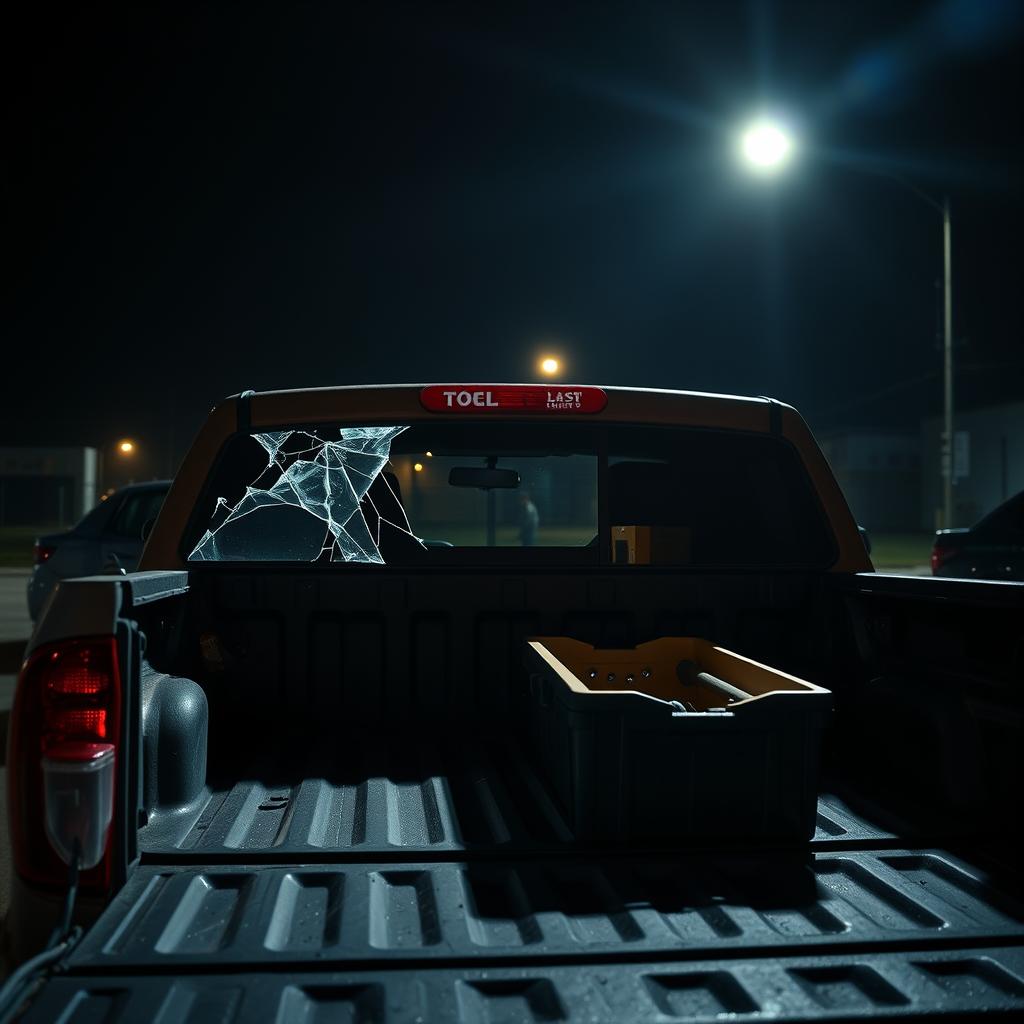
If you're a contractor and someone broke into your truck last night and took every nail gun, saw, and battery you own, the first call you'd make is probably to your insurance agent. And the second call — the one where you find out general liability doesn't cover a single tool — is the one that costs you.
This is the single most common and expensive misconception in contractor insurance. Let's clear it up so you never make that second call.
The short answer: no, GL does not cover your tools
General liability (GL) insurance covers third-party bodily injury and property damage — other people and their property. It does not cover your own tools, equipment, materials, or gear. Not on the jobsite, not in your truck, not in your trailer, not in your shop.
If a visitor trips over your air compressor and breaks their wrist, GL covers that. If your nail gun falls off a roof and dents a homeowner's car, GL covers that. But if your nail gun is stolen, GL has nothing to say about it.
What GL actually covers
General liability exists to protect you from claims by third parties:
- Bodily injury to visitors, other trades, and the public on your jobsite
- Property damage caused by your operations to someone else's property
- Products-completed operations claims after your work is finished
- Legal defense costs when you're named in a lawsuit
- Personal and advertising injury
Notice what's missing from that list: anything that belongs to you. GL is a third-party coverage. Your own property is a first-party coverage, and it lives in a completely different part of the insurance market.
What actually covers stolen tools: a tools & equipment floater
The coverage that replaces stolen tools is a tools & equipment floater — a type of inland marine insurance that schedules your gear and covers it against theft, damage, and loss wherever it goes.
A tools floater covers:
- Pneumatic and cordless nail guns, miter saws, circular saws
- Generators, air compressors, and laser levels
- Theft from your truck, trailer, jobsite, and storage
- Damage, fire, vandalism, and accidental loss
- Gear that travels between jobs and lives off-premises
The key word is follows — a tools floater follows your gear wherever the work takes it, which is exactly where contractor tools live and get stolen.
Why a floater and not commercial property?
Commercial property insurance covers gear at a fixed location — your shop or yard. The moment your tools leave that location (and contractor tools are almost always somewhere else), property coverage stops helping.
A tools & equipment floater is an inland marine policy, which is the coverage class designed for property that moves. It's built for the reality of how contractors actually work: gear on trucks, gear on jobsites, gear in transit between the two.
If you want a deeper comparison, read our guide to scheduled vs. blanket tool coverage.
Replacement cost vs. actual cash value
Here's the next trap. Not all tools floaters pay the same way. The two valuation methods are:
- Replacement cost (RC): pays what it costs to buy the tool new today
- Actual cash value (ACV): pays the depreciated value of the tool
An ACV policy might pay $150 for a $600 nailer that's three years old. A replacement-cost policy pays $600. We always write tools coverage at replacement cost — the difference between staying on schedule and buying gear out of pocket is that simple.
How to make sure you're covered
- Schedule your gear. List each major tool with make, model, serial number, and replacement value. Keep receipts and photos.
- Carry a tools & equipment floater at replacement cost, sized to the full value of your scheduled gear.
- Watch the theft deductible. Some policies carry a higher deductible for theft from an unattended vehicle. Read the terms.
- Coordinate with your commercial auto so a truck break-in is fully covered — the truck under auto, the gear under the floater.
- Add equipment breakdown if you depend on compressors, generators, or powered gear — internal failures aren't covered by a tools floater.
The bottom line
General liability is essential — but it's a liability coverage, not a property coverage. If you want your tools replaced when they're stolen, you need a tools & equipment floater. Don't wait until after a theft to find this out.
Get a free tools & equipment quote in about 15 minutes, or read more about our Tools & Equipment Floater coverage.
Need this coverage for your crew?
Get a real quote in about 15 minutes — we shop A-rated specialty trades markets.