Stopping Jobsite & Truck Tool Theft: A Contractor's Playbook
By Josh Cotner
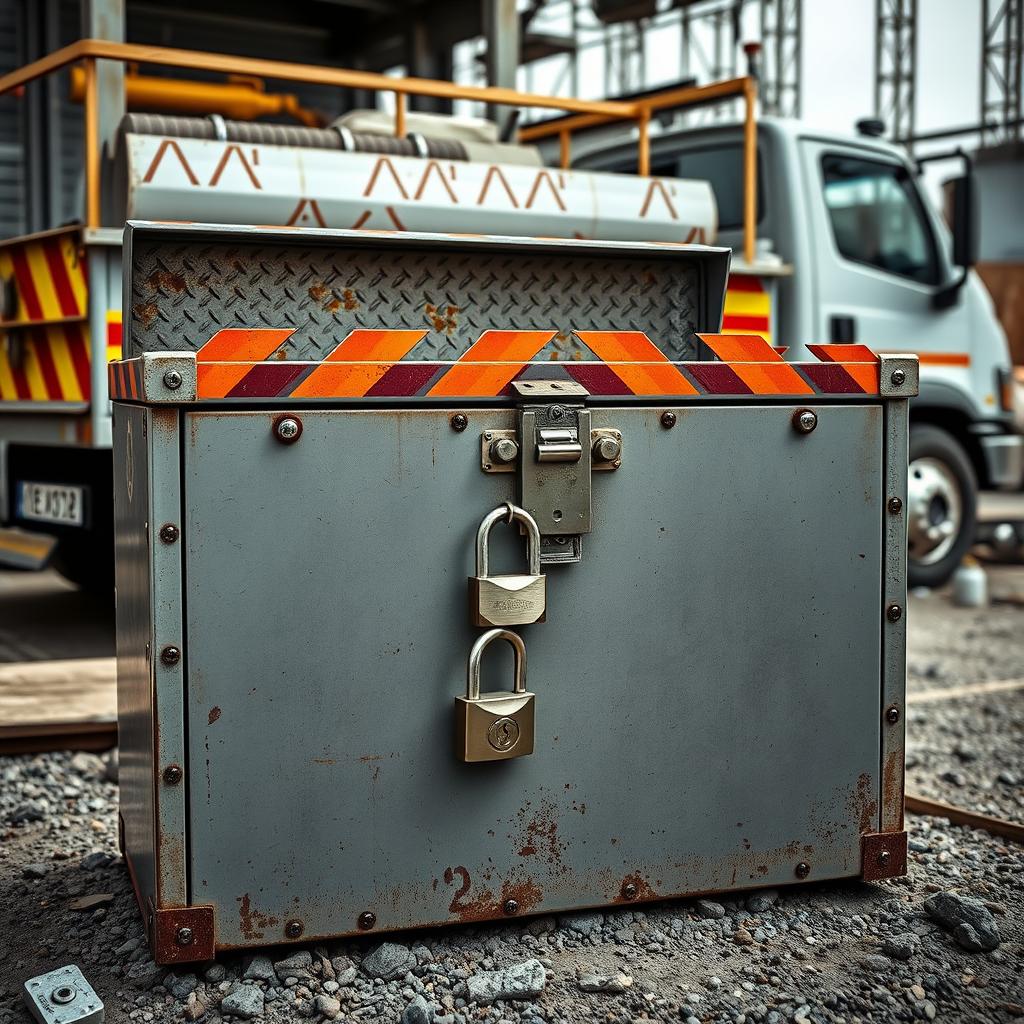
Tool theft isn't a rare, bad-luck event for contractors — it's a routine, predictable loss that hits almost every gear-heavy crew at some point. The FBI estimates construction site theft costs the industry over a billion dollars a year, and the average contractor theft claim runs into the thousands.
The good news: most theft is opportunistic, and opportunists are deterred by basic friction. Here's how to make your gear a harder target — and how to insure the gap when prevention isn't enough.
Why contractors get targeted
Thieves target contractor gear because it's valuable, portable, and resellable. A truck bed full of cordless tools can be worth more than the truck itself, and the secondhand market for name-brand tools (Makita, DeWalt, Milwaukee, Bosch, Hilti) moves fast. Worse, gear is often:
- Visible in open truck beds and trailers
- Unattended overnight at jobsites and yards
- Unserialized, making it hard to recover and prove stolen
- Under-insured, so the loss comes out of your margin
Every one of those is a lever you can pull.
Harden the truck
Truck and trailer break-ins are the single most common contractor theft. Make yours harder:
- Use a locked, steel tool box — not a soft tonneau or an open bed. Thieves go for easy.
- Don't leave gear in the truck overnight. Unload high-value tools to a secure location when you can.
- Park smart. Well-lit areas, near cameras, rear-end against a wall or fence so the tailgate can't be opened.
- Tint and lock. Visible gear through clear glass invites smash-and-grab. Locks add seconds thieves won't spend.
- Mark and serialize. Engrave an identifier on each tool and keep the serial numbers on file. Marked tools are harder to resell and easier to recover.
Harden the jobsite
Jobsite theft spikes on weekends, holidays, and overnight on remote builds. The same friction principles apply:
- Lock gear in a jobsite box — a heavy, padlocked steel chest bolted down or too heavy to carry.
- Secure the site perimeter. Fencing, lighting, and lockable gates make casual walk-off theft harder.
- Don't leave gear out at the end of the day. A clean site deters opportunists who case jobs during the day.
- Use trail cameras or alarms on remote or high-value jobs. Even visible dummy cameras deter.
- Coordinate with the GC and other trades. Shared sites mean shared exposure — agree on who locks up and when.
Harden the yard and storage
If you keep gear at a shop, yard, or storage unit between jobs:
- Alarm and camera the location. Monitored alarms with cameras cut both theft and insurance premium.
- Control access. Limit keys and codes. Log who has access.
- Don't advertise inventory. A yard full of visible equipment behind a chain-link fence is a billboard.
- Secure mobile equipment. Towable lifts, compressors, and welders should be hitch-locked, wheel-locked, and ideally stored inside a fenced yard.
Document everything (for when prevention fails)
No matter how careful you are, a determined thief can still get your gear. When they do, documentation is what makes the insurance claim pay:
- A current schedule of every major tool: make, model, serial number, replacement value
- Photos of each tool, stored off-site (cloud, not on the stolen phone)
- Receipts for major purchases
- A police report filed immediately for any theft (most policies require it)
A tools & equipment floater at replacement cost, with an accurate schedule, is the difference between a fast claim that replaces your gear and a months-long fight that pays pennies. We cover the coverage side in our guide to scheduled vs. blanket tool coverage.
Insurance that backstops prevention
Prevention reduces frequency. Insurance covers severity. You need both:
- A scheduled tools & equipment floater at replacement cost — covers theft from truck, trailer, jobsite, and storage
- Equipment breakdown — covers the internal failures (blown compressor, fried generator) that theft prevention doesn't address
- Commercial auto — covers the truck itself when it's broken into
- Watch the theft-from-unattended-vehicle deductible — structure it so a truck break-in doesn't wipe you out
The bottom line
Most tool theft is opportunistic and preventable with basic friction: locked boxes, smart parking, serialized gear, secure storage, and a clean site. But no prevention is perfect, so back it with a scheduled tools floater at replacement cost — and document your gear before it's gone, not after.
Get a free tools & equipment quote in about 15 minutes, or learn more about our Tools & Equipment Floater coverage.
Need this coverage for your crew?
Get a real quote in about 15 minutes — we shop A-rated specialty trades markets.