Scheduled vs. Blanket Tool Coverage Explained
By Josh Cotner
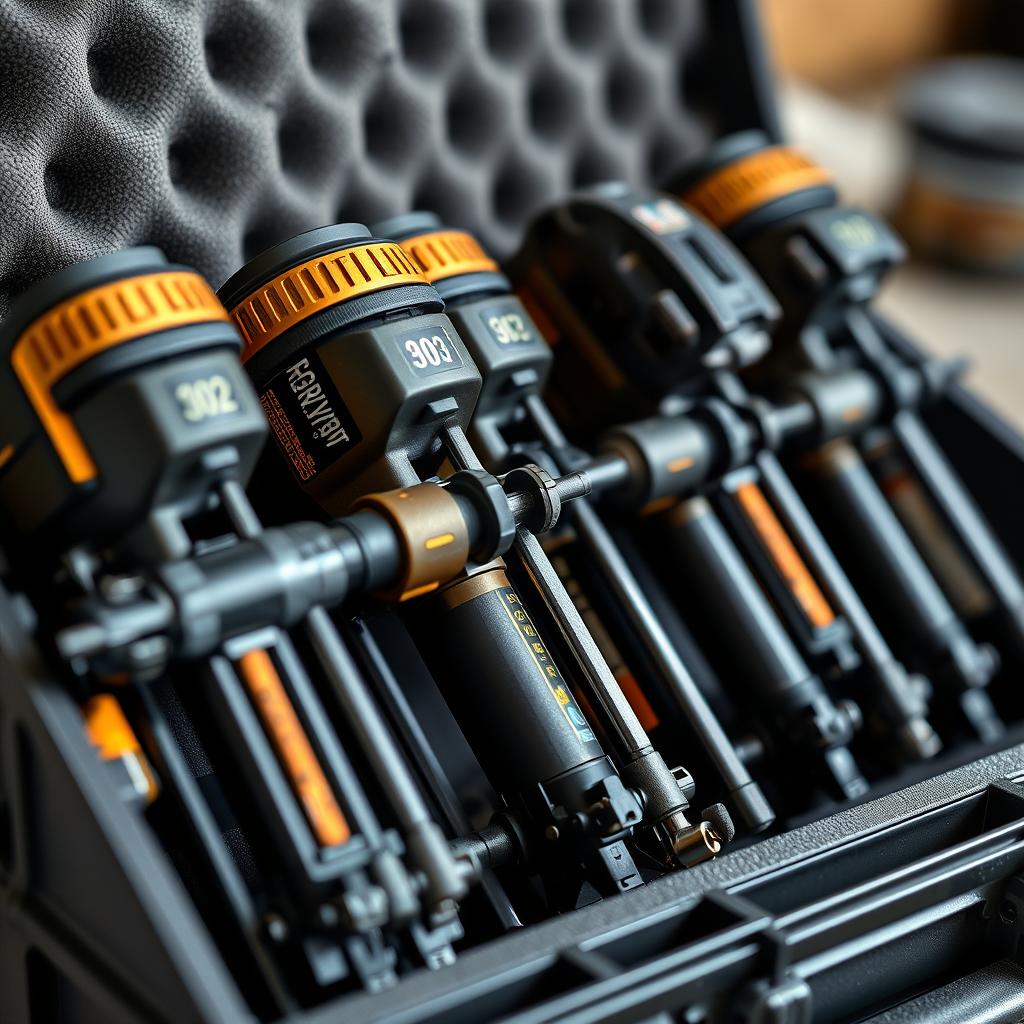
When you buy a tools & equipment floater, one of the first choices you'll make is whether to cover your gear on a scheduled basis or a blanket basis. It sounds like a technical detail, but it's one of the biggest determinants of whether a theft claim pays what you expect — or pennies on the dollar.
Here's the plain-English breakdown.
What is scheduled tool coverage?
Scheduled coverage means every major piece of gear is listed individually on the policy — make, model, serial number, and replacement value. The schedule becomes part of the policy, and at claim time the insurer pays based on what's on the schedule.
Example of a schedule entry: Makita XGT 40V Max cordless framing nailer, serial NG001234, replacement value $599.
When that nailer is stolen, the claim pays $599 (or the scheduled amount), replacement cost. No depreciation argument, no proof-of-ownership fight — the schedule already documented both.
What is blanket tool coverage?
Blanket coverage means you insure the total inventory up to a single limit without itemizing each tool. You might carry "$30,000 blanket tools coverage" and file claims against that limit as gear is lost or stolen.
The appeal is simplicity — no schedule to build or maintain. The cost is what happens at claim time.
Why scheduled usually pays more reliably
Here are the three places blanket coverage tends to come up short:
1. Per-item sublimits
Most blanket policies cap how much they'll pay per item — often $1,000, $2,500, or $5,000. If your $4,500 rotary laser is stolen and the per-item cap is $2,500, you eat the other $2,000. Scheduled coverage pays the scheduled value regardless.
2. Depreciation
Blanket coverage is more often written on an actual cash value (ACV) basis, which depreciates the tool. A three-year-old compressor that cost $1,800 new might be valued at $600 under ACV. Scheduled coverage is typically written at replacement cost, paying what it costs to buy new today.
3. Proof of ownership
With blanket coverage, a theft claim requires you to prove you owned the specific tool, what it was worth, and that it was actually stolen. With scheduled coverage, ownership and value are already documented on the policy. After a truck break-in where everything is gone, that documentation is the difference between a smooth claim and a fight.
When blanket can make sense
Blanket isn't always wrong. It can work for contractors with:
- A large number of low-value hand tools that aren't worth scheduling individually
- Rapidly changing inventory where a schedule would be constantly out of date
- Operations where simplicity matters more than per-item precision
But even in those cases, the right structure is often scheduled for high-value gear plus a blanket layer for miscellaneous hand tools — the best of both.
How to build a schedule that protects you
If you go scheduled (and most gear-heavy contractors should), here's how to do it right:
- List every major tool. Nail guns, saws, lasers, generators, compressors, and anything worth more than a few hundred dollars.
- Capture the details. Make, model, serial number, and replacement value (what it costs to buy new today).
- Keep receipts and photos. Back up the schedule with documentation stored somewhere off the truck.
- Update the schedule as you add gear. A schedule that's a year out of date leaves new tools uninsured.
- Right-size the limit. The schedule total should equal the real replacement value of your gear — no more, no less.
The bottom line
Scheduled coverage takes a little more work up front and pays off the first time you file a theft claim. Blanket coverage is simpler but routinely pays less than contractors expect because of per-item caps, depreciation, and proof-of-ownership requirements. For most gear-heavy contractors, scheduled at replacement cost is the right structure.
Get a free scheduled tools quote in about 15 minutes, or learn more about our Tools & Equipment Floater coverage.
Need this coverage for your crew?
Get a real quote in about 15 minutes — we shop A-rated specialty trades markets.